We're Open Every Saturday


You’ve been dealing with back pain, a stiff neck, or a numbing injury for a while now. Someone tells you to see a physical therapist. Someone else says go to a chiropractor. You Google it, and somehow you end up more confused than before. Both seem to help with pain. Both are non-surgical. So what’s actually different?
The answer matters for how well and how quickly you find the right treatment for your health.
What Does Each Discipline Do?
This is where most explanations fall short. People tend to reduce the difference between physical therapy and chiropractic care to “one does exercises, the other cracks your back.” That’s a drastic oversimplification, and it doesn’t help you make a good decision about your health.
The difference between physical therapy and chiropractic comes down to their core focus. Physical therapists primarily address movement – building strength, restoring range of motion, and retraining the body after injury or surgery. Chiropractors center their work on the spine and musculoskeletal system, specifically on the relationship between spinal alignment and the nervous system’s function.
Both disciplines treat pain. But they approach the root of that pain differently.
How Physical Therapy Works
Physical therapy is largely rehabilitative. If you’ve had a knee replacement, a torn rotator cuff, or a stroke, a physical therapist’s job is to rebuild what was lost – strength, balance, coordination, and function. Treatment typically involves:
- Therapeutic exercises tailored to your health condition
- Manual therapy techniques like soft tissue mobilization
- Electrical stimulation or ultrasound for pain and inflammation
- Gait training and postural correction
- Education on movement patterns to prevent reinjury
Physical therapists hold either a Doctor of Physical Therapy (DPT) degree or a Master’s in Physical Therapy. Their scope of practice is broad, covering neurological conditions, pediatric rehabilitation, sports medicine, and musculoskeletal injuries.
How Chiropractic Care Works
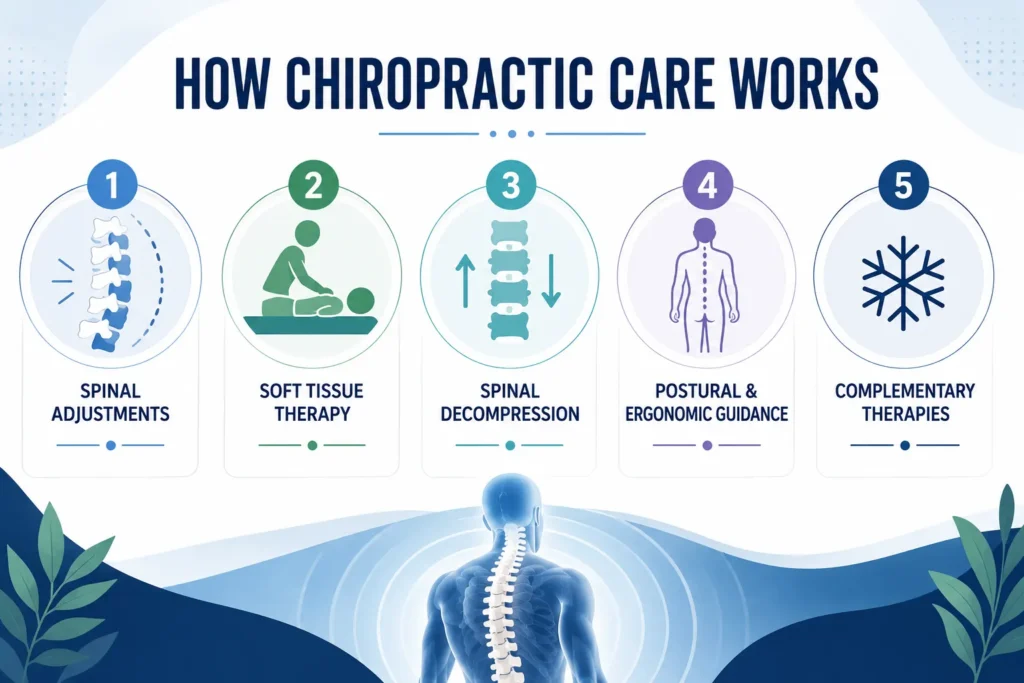
Chiropractic care focuses on diagnosing and treating disorders of the spine and musculoskeletal system, with particular emphasis on spinal manipulation, also called a chiropractic adjustment. The premise is that proper spinal alignment supports nervous system function, which in turn affects the body’s ability to heal and perform.
Chiropractors complete a four-year Doctor of Chiropractic (DC) degree following undergraduate study, with extensive training in spinal anatomy, neurology, and diagnostic imaging. Treatment typically involves:
- Spinal adjustments to correct joint restrictions and misalignments
- Soft tissue therapy and muscle work
- Spinal decompression for disc-related conditions
- Postural and ergonomic guidance
- Complementary therapies like cold laser, massage, or cryotherapy
The chiropractor in Beverly Hills, Dr. Ash, takes this further by offering a wide range of integrative treatments, including cold laser therapy, NormaTec compression, cryotherapy, Graston muscle scraping, and decompression therapy – all under one roof. The goal isn’t just short-term pain relief; it’s addressing what’s causing the problem.
Where They Overlap and Where They Don’t
The lines between the two have blurred in recent years, which is part of why people get confused. Many chiropractors incorporate rehabilitative exercises into their care. Some physical therapists use spinal mobilization. In practice, there’s meaningful overlap, especially for conditions like:
- Lower back pain
- Neck pain and stiffness
- Sciatica
- Sports injuries
- Herniated or bulging discs
- Headaches stemming from cervical tension
That said, the approaches diverge meaningfully for certain conditions. If you’re recovering from surgery, a stroke, or a neurological event, physical therapy is typically the primary path. If your pain is rooted in spinal misalignment, nerve compression, or a disc issue, chiropractic care is often the more direct route.
Which One Is Right for Your Situation?
Here’s a practical way to think about it:
Consider chiropractic care if you’re dealing with:
- Chronic or acute back and neck pain
- Sciatica or radiating nerve pain
- Herniated discs or spinal stenosis
- Headaches connected to cervical spine tension
- Pain that hasn’t responded well to rest or medication
- A desire for a drug-free, whole-body approach to wellness
Consider physical therapy if you’re dealing with:
- Post-surgical rehabilitation
- Neurological conditions affecting movement
- Sports injuries requiring structured strength rebuilding
- Balance and coordination issues
- Pediatric movement disorders
For people with spine-related chronic pain, the most effective approach actually combines elements of both. A chiropractor who also uses rehabilitative techniques and soft tissue therapy can cover a lot of ground that used to require multiple providers.
Can You Do Both at the Same Time?
Yes, and in many cases it makes sense. Chiropractic adjustments can improve spinal alignment and reduce nerve irritation, making physical therapy exercises more effective. Physical therapy strengthens the muscles that support proper alignment, which helps hold chiropractic corrections longer. The two complement each other well when practitioners are aligned on your treatment goals.
What The Chiro Guy Offers in Beverly Hills
The Chiro Guy™, located in Beverly Hills, has been rated the #1 chiropractor in the area since 2014. Dr. Ash Khodabakhsh combines traditional chiropractic care with advanced therapies, including physical therapy services, spinal decompression, cold laser therapy, and more, to create individualized treatment plans that go beyond a single-session adjustment.
Whether you’re a Los Angeles resident dealing with chronic pain, an athlete recovering from a sports injury, or someone who simply wants to move better, the practice is built around treating the root cause rather than masking symptoms. Patients from West Hollywood, Santa Monica, Culver City, and across the greater LA area come to The Chiro Guy™ because of its thorough, honest, and genuinely results-oriented approach.
Dr. Ash and the team at The Chiro Guy are here to help you figure that out. Call us or book your appointment today.
People Also Ask
Is chiropractic care better than physical therapy for back pain?
Neither is universally better. For spine-related pain and nerve compression, chiropractic care often provides faster relief. For post-injury strength rebuilding, physical therapy is typically more effective.
Can a chiropractor do physical therapy?
Many chiropractors incorporate rehabilitative exercises and soft tissue work into their treatment plans. Some, like The Chiro Guy™, offer physical therapy services alongside chiropractic adjustments.
How long does chiropractic care take to work?
Many patients notice improvement within a few sessions. Chronic conditions may require a longer care plan, typically several weeks, depending on severity and treatment consistency.
Do I need a referral to see a chiropractor?
In most states, including California, you don’t need a physician referral to visit a chiropractor. You can book directly and be evaluated at your first appointment.
Is chiropractic care covered by insurance?
Many health insurance plans, including some Medicare plans, cover chiropractic care for certain conditions. It’s best to check with your specific provider for coverage details.